Creating confident, connected communities through creativity
Huddersfield CIC
Workshops
All our workshops will (scientifically proven) help reduce levels of the stress hormone ‘cortisol’ that you have in your body… so you will feel good mentally and physically. Why wait any longer?
Zentangle

Zentangle is a relaxing method of drawing beautiful patterns using simple, repetitive lines and shapes. No drawing experience is needed — just take your time, follow the patterns and enjoy the process. It’s a mindful, accessible activity that can help you slow down, focus and build confidence while creating something completely individual.
Embroidery

Embroidery is a lovely way to slow down and enjoy making something by hand. You can learn a few simple stitches, play with colour and texture, and work at your own pace. It’s relaxing, creative and very satisfying when you see your piece begin to come together.
Pen & Ink

Pen and ink is a lovely way to explore line, texture and contrast without needing lots of equipment. Try different marks, pens and simple techniques in a relaxed session where there’s no pressure to get things perfect. Just experiment, enjoy the process and see where your ideas take you.
Rock Painting

Rock painting is simple, colourful and surprisingly relaxing. Choose your colours, play with patterns and designs, and create something completely your own. There’s no right or wrong way to do it — just enjoy slowing down, being creative and turning an ordinary stone into something special.
Mixed Media

Mixed media is all about experimenting and seeing what happens. Combine drawing, paint, ink, collage and other materials to build colour, texture and layers. Bring your own ideas or simply have a play — it’s a great way to try something new without worrying about rules or getting it “right”.
Watercolour
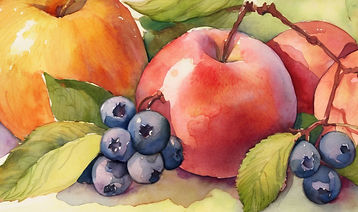
Watercolour is a wonderfully expressive medium with plenty of room to experiment. Explore washes, blending and flowing colour in a relaxed session where unexpected results are all part of the fun. Whether you’re completely new to it or have painted before, you can work at your own pace and enjoy creating.
Crochet

Crochet is a relaxing, sociable craft that’s easier to get into than you might think. Learn the basics at your own pace, build confidence and enjoy making something with your own hands. Whether you want to create something practical, decorative or just enjoy the rhythm of the stitches, everyone is welcome.
Colour & Pattern

Explore colour, pattern and design in a playful, relaxed way. Start with simple colour-mixing ideas, then build your own combinations, shapes and patterns to create something completely personal. There’s no need to know colour theory — just experiment, have a go and enjoy seeing how different colours work together.
Still Life Drawing

Still life is a lovely way to slow down and really look at the shapes, textures and details around you. Using everyday objects as inspiration, you can explore line, shading and composition at your own pace. Whether you’re new to drawing or already enjoy it, there’s no pressure to make it perfect — just enjoy looking and creating.
Portraiture

Portraiture is about much more than getting a face exactly right. Explore simple ways to look at proportion, expression and character, while developing confidence in drawing people. We’ll break things down into manageable steps, so you can relax, experiment and enjoy creating a portrait that feels like your own.
Sashiko

Sashiko is a beautiful Japanese stitching technique built around simple, repeated stitches. It’s calming, rhythmic and wonderfully satisfying, with plenty of room to experiment with pattern and texture. Traditionally used to strengthen and repair fabric, it’s also a lovely way to give old textiles a new life and create something completely individual.
Perspective

Perspective can look complicated, but once you know a few simple ideas it becomes much easier. Explore how lines and shapes can create the illusion of depth and distance, and have a go at building your own three-dimensional drawings. We’ll take it step by step, with plenty of time to practise and experiment.
Using the grid method

The grid method is a really helpful way to tackle drawings that might otherwise feel daunting. By breaking an image into smaller sections, you can focus on one part at a time and gradually build the whole picture. It’s a great confidence-builder and a useful technique for improving accuracy without taking the enjoyment out of drawing.